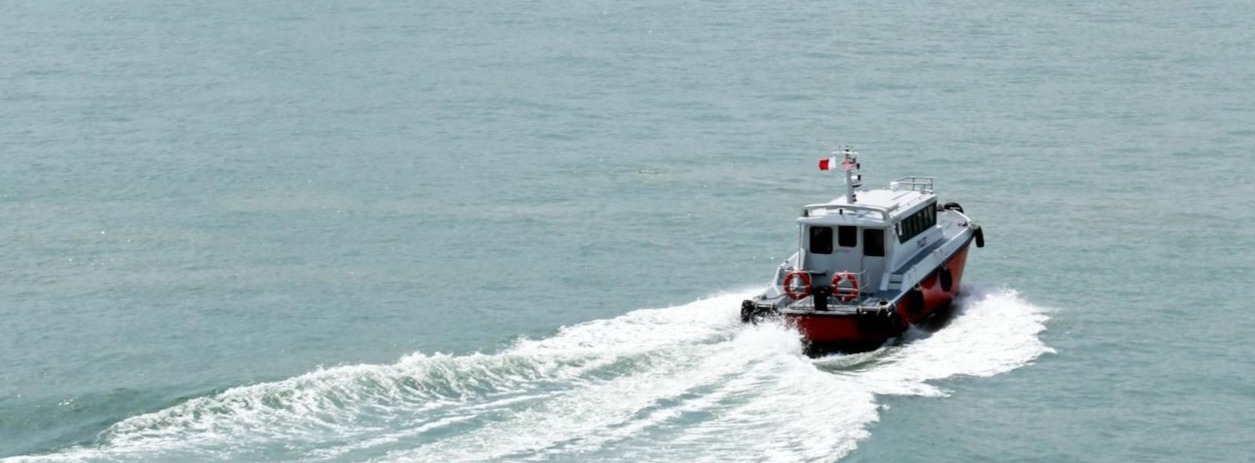
RELIGION: THE SEA OF SAMENESS WITH DIFFERENT FERRYMEN
I once hiked a hill in Nsukka, Enugu State, Nigeria. This venture was quite daunting, and the hill
was an enormous entity. From the top of the hill, I felt like an omnipresent being—like I could
see the world from where I was. It felt like God. While on that hill, I saw calabashes filled with
condiments of all sorts, proof that there was an act of worship to the entity called God. On the
same hill, a group of people were on the other side offering up prayers with bibles in hand,
singing praise and worship songs. Both acts were rendered on the same hill, but one group thinks
their God is different from the other. What both groups don't realize according to Edward
Herbert(1583-1648) is that they have elements in common. There is the belief that:
● There is a supreme being
● this entity should be worshipped
● the significance of this practice is the cultivation of virtue
● there is a wrongdoing to ask repentance from
● one is rewarded or punished in this life and the next.
This made me realize that all religions share a core essence, but differ in their leaders, doctrines
and path, and this difference breeds the ongoing social and cultural divisions. Though religion
differ in rituals and beliefs, they are often en route the same moral waters, guided by different
ferrymen who interpret the divine for their followers.
Across eras and continents, humans have sought to understand the existence of a supreme being
and the causal effect of this being’s presence in their lives and living. The questions: who are
we? Why are we here?, is there something greater beyond this life?, is what ultimately resulted in
the birth of the concept of “Religion”. Every group attempts to bridge the gap between the finite
and the infinite. At the core of religion lies a moral essence—there is the preachment of
compassion, of honesty, of humility, of chastity, of connection and intimate relationship. The
christians speaks of love for ones neighbour, the muslims practice benevolence, the Buddhist
pursues peace through detachment, the Hindu seeks unity with the divine, African traditionalists
express divinity through ancestors and communal consciousness. These paths seem separate, yet
they are all traced to a point of human longing—to live right and be at peace with both self and
spirit. This is the current of water that connects us beneath the surface of differing beliefs.
But every sea needs a ferryman—the one who would interpret the map, tell the stories, and give
shape to the things not seen. The ferrymen in our context are the prophets, the priests, and the
sages who stand between the people and the divine. They offer not just belief, but belonging.
And every ferryman bears the same burden—to lead souls across the torrents of uncertainty.
To think that it is through these ferrymen that the waters begin to divide, is where this concept of
religion corrodes. Over time, people began to confuse the ferryman with the sea itself; the
ferrymen preaching that salvation belonged only to the passengers of their particular boat. Wars
are being fought, blood is being shed, and temples have become fortresses of division. What is
meant to unite becomes the tool for separation, and the sea grows lost in the noise of whose
ferryman is right. The sea still doesn't change—the tides of love, peace, union, continues to
move, even beneath the boats that refuses to see one another. This is why most spiritual thinkers
across all ages, tribe and race, sound the same. The cosmology differs, yes, but the truth remains
that the divine is both beyond and within us waiting to be awakened.
These religions differ deeply in cosmology, ethics, and practice. What one calls salvation, one
calls enlightenment, what one considers sin, is what one calls an illusion. These differences are
what shapes the societies, laws, and daily living, but what the metaphor of the sea seeks to
address is that for true religion to prevail, the focus needs to be on the common depth that
sustains all spiritual thirst. Perhaps, the problem does not lie in the religion themselves, but In
humans’ tendency to claim ownership of truth. We often want our ferryman to be the one who
knows the way, we most of the time mistake conviction for certainty, and reverence for rivalry.
But the truth is, if the sea truly belongs to all, then every ferryman is, in some sense, both right
and limited. Right in the awareness of the divine, and limited by the lens through which he sees
it.
In my opinion, religion is both map and mystery. It teaches us how to live, but also brings to our
notice that no teaching can fully analyse the vastness of God. The sea would always be bigger
than the boats on it, and maybe that is the point— knowing that our journey may differ, but our
destination remains the same horizon. The future of faith may not lie in conversion, but in
comprehension —realizing that we are all passengers of the same sea, just guided by different
ferrymen. If only we looked beyond the boats, we would see we are all sailing the same sea.The
sea has always been one, only the ferrymen changes.
This takes me back to my experience on the hill. Both groups come to worship on the same hill,
but their differing beliefs doesn't make them realize that they are doing the same thing, though
differently, on the same hill(a synonymous metaphor for the “sea”). I believe that the human
longing for a connection with the supreme being, starts from within. It starts with self awareness.
While the human tendency to claim ownership of truth ravages the concept of religion, the union
with self and the realization that the supreme being is the different selves that culminates in a
singular essence, would curb the excesses of the construct of religion. In essence, religion is
“You,” but you seek a “Me” to interpret and explain you, and that is where the problem lies.
©2025 Adanna Ifem
Post a comment